
Building Trust Through Reverse Mortgage Education
As retirement planning becomes increasingly complex, trust has become one of the most important factors in homeowner conversations. When discussing topics such as home equity, retirement income, reverse mortgages, and long-term financial security, homeowners want more than product information. They want confidence that they are receiving accurate information, meaningful guidance, and support that prioritizes their goals and circumstances.
Trust is not built through products alone. It is built through education.
This is one reason education plays such an important role in reverse mortgage conversations. When homeowners understand their options, ask informed questions, and participate actively in the decision-making process, they are often better positioned to make confident financial choices. Building trust through education is also a key principle emphasized throughout the CCRMC curriculum.
Why Trust Matters in Retirement Lending
Retirement lending conversations often involve significant financial decisions.
Homeowners may be discussing:
- Retirement income planning
- Home equity utilization
- Aging in place
- Long-term housing goals
- Family considerations
- Financial flexibility
These discussions can affect retirement plans for years or even decades.
Because of this, trust becomes an essential part of the relationship between homeowners and mortgage professionals.
Without trust, homeowners may hesitate to ask questions, explore options, or fully engage in the decision-making process.
Education Creates Confidence
Many homeowners begin reverse mortgage conversations with limited knowledge of how these solutions work.
Common questions often include:
- What is a reverse mortgage?
- How does repayment work?
- Will I still own my home?
- What alternatives should I consider?
- How might this affect my retirement plans?
Education helps answer these questions and reduce uncertainty.
The more homeowners understand, the more confident they often feel evaluating their options and making informed decisions.
This confidence is an important foundation for trust.
Why Misconceptions Can Undermine Trust
Reverse mortgages are often surrounded by misconceptions.
Some homeowners may believe:

The bank takes ownership of the home
Family members inherit debt
Reverse mortgages are only for financial hardship
Homeowners can be forced to leave their property
When misinformation exists, trust can become more difficult to establish.
Education helps address these misconceptions by providing accurate information and helping homeowners separate myths from facts.
The result is often a more productive and transparent conversation.
Trust Grows Through Transparency
Transparency is a key component of trust.
Homeowners generally want clear explanations regarding:
- Available options
- How solutions work
- Potential advantages and considerations
- Alternative strategies
- Long-term implications
Transparent conversations help homeowners feel informed rather than pressured.
This creates an environment where questions are encouraged and decisions are based on understanding rather than uncertainty.
Education Supports Better Questions
One of the most valuable outcomes of education is that it helps homeowners ask better questions.
Rather than focusing only on product features, homeowners often begin exploring broader topics such as:
- Retirement goals
- Financial priorities
- Housing plans
- Future flexibility
- Family considerations
These discussions often lead to deeper understanding and more meaningful conversations.
The best homeowner conversations are often built on thoughtful questions rather than quick answers.
Understanding Before Recommendations
A key principle within the CCRMC curriculum is that understanding should come before recommendations.
Before discussing potential solutions, professionals should seek to understand:
- Homeowner goals
- Retirement objectives
- Financial circumstances
- Housing preferences
- Long-term plans
Education helps facilitate these conversations by encouraging professionals to focus on consumer understanding rather than products alone.
This approach often strengthens trust and supports more informed decision-making.
Why Trust Supports Better Outcomes
When homeowners trust the information they receive, they are often better able to:
- Evaluate available options
- Ask meaningful questions
- Consider alternatives
- Understand long-term implications
- Make informed decisions
Trust does not guarantee a particular outcome.
However, it helps create an environment where homeowners feel comfortable exploring their choices and making decisions that align with their goals.
Why CCRMC Emphasizes Education
CCRMC promotes an education-first philosophy that recognizes the important role trust plays in retirement lending conversations.
The curriculum encourages professionals to focus on:
- Consumer understanding
- Communication skills
- Suitability discussions
- Retirement planning considerations
- Ethical decision-making
- Informed homeowner conversations
This broader approach helps professionals build stronger relationships while supporting better homeowner experiences.
By prioritizing education, CCRMC helps create conversations that are centered on understanding rather than transactions.
Why Professionals Benefit From Educational Conversations
Professionals who prioritize education often build stronger relationships with homeowners.
Benefits may include:
- Improved communication
- Greater homeowner confidence
- Stronger trust
- Better understanding of client goals
- More meaningful discussions
- Enhanced professional credibility
These outcomes support both professional growth and better homeowner experiences.
The Value of Professional Guidance
Trust is built through communication, transparency, and education.
As a Mortgage Broker and contributor to CCRMC Training, Ron De Silva believes homeowners deserve conversations that prioritize understanding before recommendations. His approach focuses on helping Canadians better understand reverse mortgages, home equity solutions, retirement financing strategies, and the factors that influence long-term financial decisions.
By emphasizing education and informed decision-making, homeowners can evaluate important financial choices with greater confidence and clarity.
Key Takeaways
- Trust is an important part of retirement lending conversations.
- Education helps homeowners understand reverse mortgages and home equity solutions.
- Transparency supports stronger homeowner relationships.
- Education helps address common misconceptions.
- Understanding often leads to greater confidence and informed decision-making.
- CCRMC emphasizes education as a foundation for meaningful homeowner conversations.
Frequently Asked Questions
Why is trust important in reverse mortgage conversations?
Trust helps homeowners feel confident asking questions, evaluating options, and making informed decisions.
How does education build trust?
Education provides homeowners with accurate information, improves understanding, and helps reduce uncertainty.
Why do misconceptions affect trust?
Misconceptions can create confusion and unnecessary concerns, making it harder for homeowners to evaluate options objectively.
What role does transparency play?
Transparency helps homeowners understand how solutions work, what alternatives exist, and what factors may influence their decisions.
How does CCRMC support trust-building?
CCRMC emphasizes education, communication, consumer understanding, and informed decision-making as key components of professional development.
Speak With Ron De Silva
If you’re interested in learning more about reverse mortgages, retirement planning conversations, or the educational principles promoted through CCRMC, understanding your options begins with reliable information and meaningful discussions.
Ron De Silva helps homeowners and mortgage professionals better understand reverse mortgages, home equity solutions, retirement financing strategies, and the importance of education-first conversations.
Connect with Ron De Silva to learn more about CCRMC education, retirement lending discussions, and professional development opportunities.
Final Thoughts
Trust is not built through products alone. It is built through education, transparency, communication, and a genuine commitment to helping homeowners understand their options.
As retirement planning conversations continue to evolve, reverse mortgage education will remain an important tool for supporting informed decision-making and stronger homeowner relationships. By prioritizing understanding before recommendations, professionals can help create conversations that lead to greater confidence, clarity, and trust.
About the Author
Ron De Silva
Mortgage Broker
Ron De Silva is a Canadian mortgage broker focused on reverse mortgages, home equity lending, and retirement financing education. Through CCRMC Training, he provides educational resources to help homeowners make informed financial decisions with confidence.
Explore More Articles
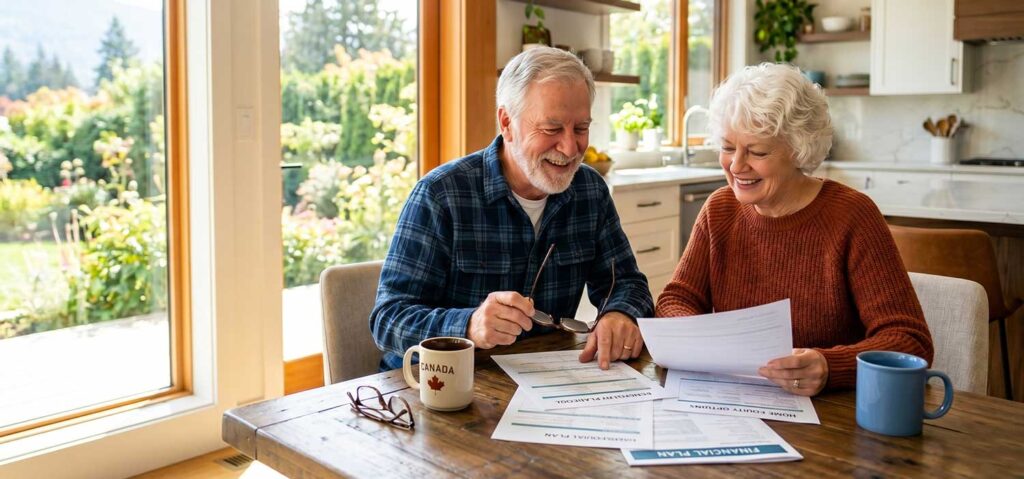
Learn what a reverse mortgage is, how it works, who qualifies, and how Canadian homeowners aged 55+ can access home equity while continuing to live in their homes.
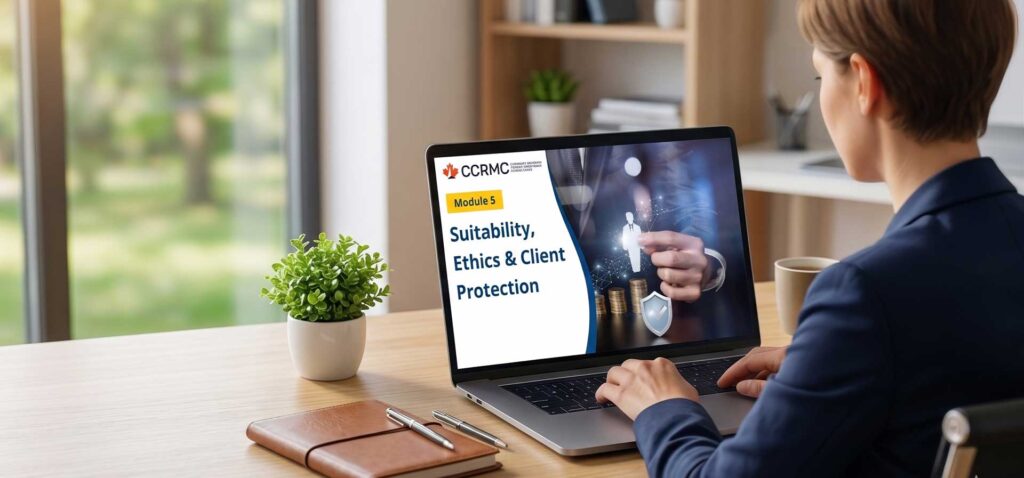
Discover the role of CCRMC Training in reverse mortgage education, professional development, and helping Canadians make informed decisions about home equity and retirement financing.
Explore the financial challenges facing today’s retirees, including longevity risk, rising living costs, and the growing role of home equity in retirement planning for Canadian homeowners.