
Communication Skills in Retirement Planning Conversations
As retirement planning becomes increasingly complex, homeowners are seeking more than financial products and technical explanations. Many are looking for professionals who can help them understand their options, navigate important decisions, and have meaningful conversations about their future.
This is why communication skills have become one of the most important components of effective retirement planning discussions. Whether the conversation involves home equity, reverse mortgages, retirement income, or long-term housing goals, the ability to communicate clearly and thoughtfully can significantly influence the homeowner’s experience.
Strong communication helps build trust, improve understanding, and support informed decision-making. This is one reason communication skills are an important topic within the CCRMC curriculum and a key part of effective retirement lending conversations.
Retirement Planning Conversations Are Different
Traditional mortgage discussions often focus on qualifications, rates, financing structures, and product features.
Retirement planning conversations are often broader.
Homeowners may have questions about:
- Retirement income
- Financial security
- Aging in place
- Healthcare considerations
- Family priorities
- Long-term housing plans
- Home equity strategies
These topics can be highly personal and emotionally significant.
As a result, effective communication becomes just as important as technical knowledge.
Why Communication Matters
Many homeowners enter retirement planning conversations with uncertainty.
They may be:
- Evaluating unfamiliar financial concepts
- Concerned about future income needs
- Unsure about available options
- Seeking reassurance about important decisions
- Trying to understand complex information
Strong communication helps create clarity.
When information is explained clearly and thoughtfully, homeowners are often better able to understand their choices and participate confidently in the decision-making process.
Listening Is One of the Most Important Skills
Effective communication begins with listening.
Before discussing solutions, professionals must understand:
Homeowner's goals
Retirement objectives
Financial concerns
Housing preferences
Family considerations
Long-term priorities
Listening allows professionals to gather important context that may influence future discussions.
It also helps homeowners feel heard, respected, and understood.
Many of the most productive retirement conversations begin with questions rather than recommendations.
Asking Better Questions
Strong communication is not only about providing answers.
It is also about asking meaningful questions.
Examples may include:
- What are your retirement goals?
- What concerns do you have about the future?
- How important is remaining in your current home?
- What role do you see home equity playing in retirement?
- What options have you already considered?
These questions encourage deeper discussions and help uncover priorities that may not be immediately obvious.
Explaining Complex Topics Clearly
Retirement lending often involves concepts that homeowners may not encounter frequently.
Topics such as:
- Reverse mortgages
- Home equity solutions
- Retirement income planning
- Decumulation strategies
- Suitability considerations
can sometimes feel overwhelming.
Strong communicators focus on making complex concepts easier to understand.
This often involves:
- Using plain language
- Avoiding unnecessary jargon
- Explaining concepts step by step
- Encouraging questions
- Confirming understanding
Clear communication helps homeowners feel more comfortable discussing important financial topics.
Building Trust Through Communication
Trust is one of the most valuable elements of any homeowner relationship.
Communication plays a significant role in building that trust.
Homeowners are more likely to feel confident when professionals:
- Listen carefully
- Communicate honestly
- Explain options clearly
- Encourage questions
- Respect individual goals
- Provide balanced information
Trust is rarely built through products alone.
It is often built through meaningful conversations that demonstrate professionalism and genuine understanding.
Communication Supports Suitability Discussions
Suitability is an important concept in retirement lending.
Determining whether a solution aligns with a homeowner’s goals requires effective communication throughout the process.
Professionals need to understand:
- Personal objectives
- Financial circumstances
- Housing plans
- Family considerations
- Future priorities
Without strong communication, it can be difficult to gather the information necessary for meaningful suitability discussions.
This is one reason communication and suitability are closely connected.
Why CCRMC Emphasizes Communication Skills
CCRMC recognizes that retirement lending involves much more than product knowledge.
Professionals must also be able to:
- Communicate effectively
- Facilitate meaningful discussions
- Understand consumer needs
- Explain complex concepts
- Support informed decision-making
The curriculum encourages professionals to develop communication skills that help improve homeowner understanding and create stronger retirement planning conversations.
This education-first approach contributes to higher professional standards and better consumer experiences.
Better Communication Leads to Better Outcomes
When communication is effective, homeowners often benefit from:
- Greater understanding
- Increased confidence
- Better questions
- Improved decision-making
- Stronger trust
- More productive discussions
These outcomes help support informed choices and a more positive overall experience.
For professionals, strong communication skills can lead to deeper client relationships and more meaningful conversations.
The Value of Professional Guidance
Retirement planning discussions often involve complex financial, personal, and lifestyle considerations.
As a Mortgage Broker and contributor to CCRMC Training, Ron De Silva believes effective communication is one of the most important skills in homeowner conversations. His approach focuses on listening, education, transparency, and helping Canadians better understand reverse mortgages, home equity solutions, and retirement financing strategies.
By combining professional knowledge with strong communication skills, homeowners can better understand their options and make informed decisions with confidence.
Key Takeaways
- Communication plays a critical role in retirement planning conversations.
- Listening is one of the most important communication skills.
- Clear communication helps homeowners understand complex topics.
- Strong communication supports suitability discussions and informed decision-making.
- Trust is often built through meaningful conversations.
- CCRMC emphasizes communication as an important professional skill.
Frequently Asked Questions
Why are communication skills important in retirement planning?
Communication helps homeowners understand their options, ask questions, and make informed decisions with confidence.
Why is listening important?
Listening helps professionals understand homeowner goals, concerns, and priorities before discussing potential solutions.
How does communication support suitability?
Effective communication helps gather the information needed to evaluate whether a solution aligns with a homeowner’s circumstances and objectives.
What communication skills are emphasized in CCRMC education?
CCRMC emphasizes listening, consumer communication, education, transparency, and meaningful retirement planning discussions.
How does better communication benefit homeowners?
Better communication often leads to greater understanding, increased confidence, and more informed decision-making.
Speak With Ron De Silva
If you’re interested in learning more about retirement planning conversations, reverse mortgages, home equity solutions, or CCRMC education, understanding your options begins with meaningful communication.
Ron De Silva helps homeowners and mortgage professionals better understand retirement financing strategies, reverse mortgages, home equity solutions, and the communication principles that support informed decision-making.
Connect with Ron De Silva to learn more about CCRMC education, retirement lending discussions, and professional development opportunities.
Final Thoughts
As retirement planning conversations continue to evolve, communication skills are becoming increasingly important. Homeowners want more than information—they want understanding, clarity, and meaningful discussions that help them make confident decisions.
CCRMC recognizes that strong communication is essential for supporting informed decision-making, consumer understanding, and higher professional standards. By developing these skills, professionals can create better conversations and deliver greater value to the homeowners they serve.
About the Author
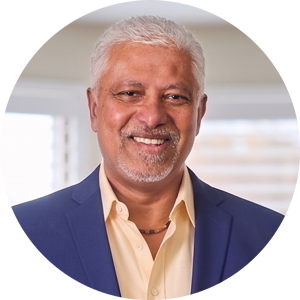
Ron De Silva
Mortgage Broker
Ron De Silva is a Canadian mortgage broker focused on reverse mortgages, home equity lending, and retirement financing education. Through CCRMC Training, he provides educational resources to help homeowners make informed financial decisions with confidence.
Explore More Articles

Trust is one of the most important elements of retirement lending conversations. Learn how reverse mortgage education helps homeowners make informed decisions and build confidence in their financial choices.

Discover the role of CCRMC Training in reverse mortgage education, professional development, and helping Canadians make informed decisions about home equity and retirement financing.

Explore the financial challenges facing today’s retirees, including longevity risk, rising living costs, and the growing role of home equity in retirement planning for Canadian homeowners.